

CENTAL Partners with Bong County Authorities to Improve Service Delivery for Rural Dwellers
CENTAL Partners with Bong County Authorities to Improve Service Delivery for Rural Dwellers
For years, mothers in remote towns and villages continue to face a painful challenge—the long and costly journey to the city to register their children’s births. But with the new ‘Service-on-the-Wheel’ initiative, the narrative is changing, thus lessening the struggle of mothers in the quest of obtaining relevant documents, like birth certificates for their children.
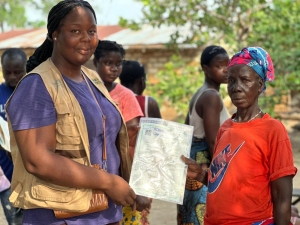
In the quiet town of Gbarnga-Siaquelleh, an hour’s drive from Gbarnga City in Bong County, something remarkable unfolded. Babies' mothers in this region experienced something first of its kind—the registration and issuance of free birth certificates to children aged 0-12 years. Without birth certificates, many children would not get the recognition every child deserves. For families, especially those in remote places, it meant freedom from the burden of transportation costs and bureaucratic hurdles. And for children, it meant identity and imminent opportunities.
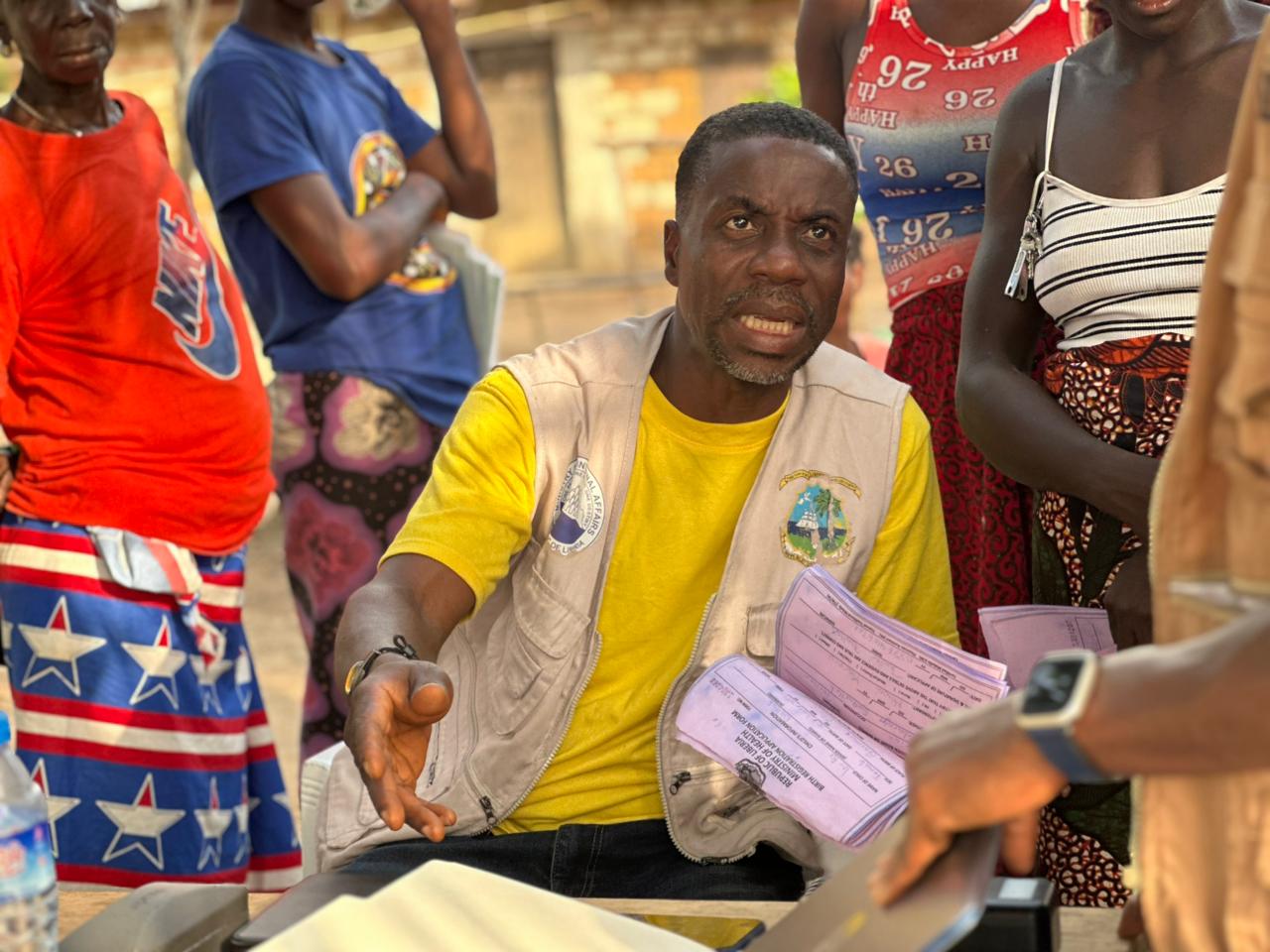 In an effort to improve local service delivery and promote local governance, the Center for Transparency and Accountability in Liberia (CENTAL) collaborated with the Bong County Service Center (CSC) Birth Registration Unit, including the coordinator, to take the local services to the people on the wheel. “The government is limited to some extent in the provision of these kinds of services. If there is an opportunity to improve local services using innovative approaches, we cannot refuse because it is our job to do so," said Arthur Crawford, Coordinator, Bong CSC.
The initiative, which lasted three (3) days, April 17-19, 2026, began with internal and external meetings with staff members of the CSC Birth Registration Unit (BRU), the coordinator, CENTAL’s staff, and the town leadership to strengthen the approaches for smooth execution. These engagements paved the way for the two-day registration and issuance of the birth certificates. The process was considered a robust one, especially due to the underestimation of the town’s population.
So far, four hundred and seventy-seven (477) babies (0-12 years) were registered. Of that number, one hundred sixty-seven (167) birth certificates were issued. Due to unforeseen circumstances, including technical difficulties, the remainder of the unprinted certificates is expected to be processed and distributed in the coming weeks. Exceeding the target of two hundred (200) registrations and issuance of certificates by the staff, the momentum to reengage and move to other regions cannot be overemphasized.
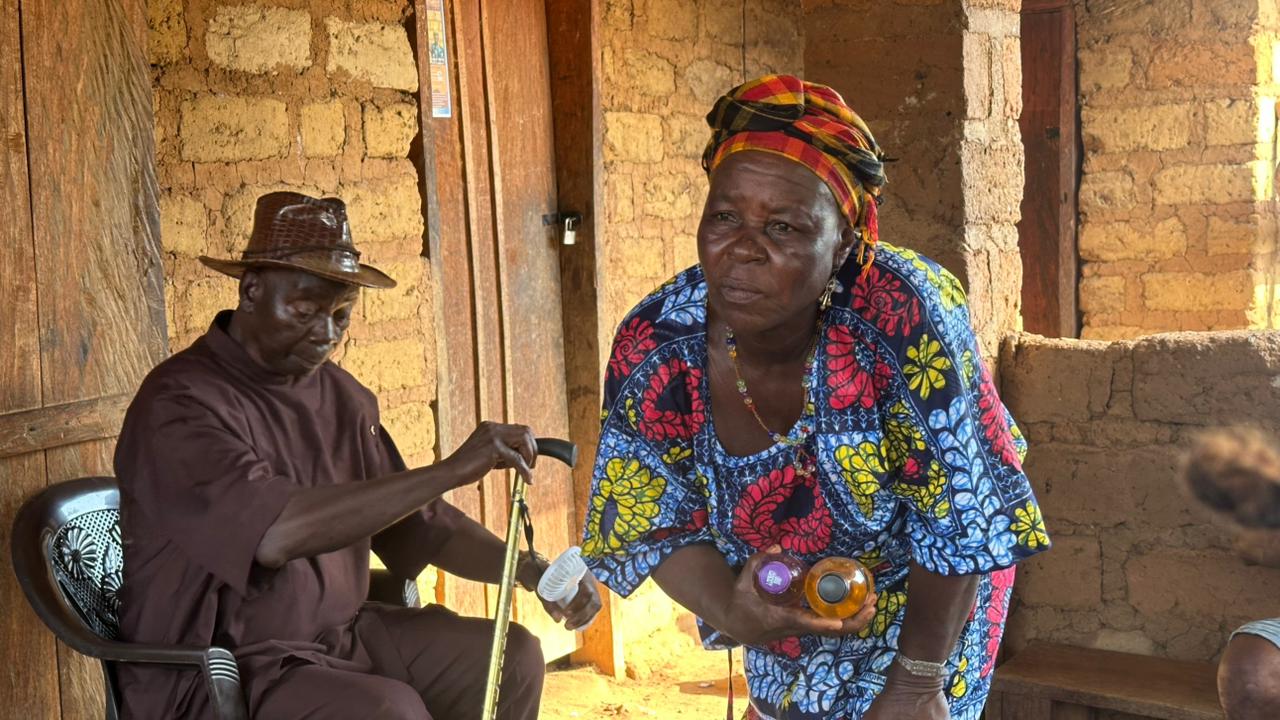 In the wake of this, Elder Lorpu Paye, the town chairlady of Panta District, Gbarnga-Siaquelleh, expressed the community’s joy and pleaded for more engagements. “I am happy about the birth certificate process. We have been struggling to get this kind of document, especially for our children. Thank God it is happening. I say thank you to CENTAL for making this process easy for us. We are also appealing to CENTAL and her supporters to continue this process and move to other towns and villages.”
The initiative, named Service-on-the-Wheel, was designed to bring essential local services closer to citizens, especially those in remote areas. It is part of the Strengthening Political Governance and Accountability in Liberia Project — a three-year projected with support from Irish Aid through the Embassy of Ireland in Liberia and implemented by a consortium of three (3) organizations – Center for Democratic Governance – CDG, Naymote Liberia and Center for Transparency and Accountability in Liberia (CENTAL).
CENTAL’s ALAC and the Impact in Curbing Corruption
CENTAL’s ALAC and the Impact in Curbing Corruption
Imagine critical funds needed to assist in the design of policies and implement initiatives to prevent unwanted pregnancies amongst adolescent girls and women being misused to feather the nests of a few individuals. That was the story of corruption at the Planned Parenthood Association of Liberia (PPAL) reported to the Center for Transparency and Accountability in Liberia (CENTAL) through its Advocacy and Legal Advice Center (ALAC) sometimes in 2022.
What started as allegations of corruption in the tone of $ 96, 875.00 forwarded to ALAC against the former officials including Madam Miatta K.K. Cojolo, former Executive Director, Ernree Bee Neeplo, former Program Manager, Ernest Vobah, former Finance and Administrative Manager, William Gibson, former Human Resource Manager, and Peter Collins, Board Vice Chairman, turned into an indictment and a guilty verdict by the Criminal Court “C”.
In all began in 2020, when the Planned Parenthood Association of Liberia with support from IPPFARO commissioned a Forensic Auditor, Parker & Company LLC to undertake a forensic audit of activities covering a period of 6 years (2013-2018). Findings from the audit amongst others accused the former staff of financial malpractices. Based on the audit findings, a Steering Committee comprising 8 members was constituted to hold conferences with the accused staff (former and current) and former Honorary Members of the Association.
The purpose of the conferences, as mentioned supra, was to ascertain from the staff the allegations about their culpability and the possibility of their ability to restitute the amounts for which they were found wanting. As an independent corruption reporting platform of CENTAL, ALAC was alerted to help track the progress of the allegations through the legal system.
In October 2021, upon completion of the conference by the steering committee in collaboration with CENTAL, the team submitted its report to the board that recommended among many things that the accused staff be forwarded to the Liberia Anti-Corruption Commission for investigation and subsequent prosecution and where and when possible.
The Forensic audit report was then submitted to the LACC by ALAC in Oct. 2021 which led to the commencement of investigation, drawing of indictment and legal proceedings into the matter at the Criminal Court “C”. The investigation had established that Kadiyatu Sheriff, Victoria Gibson, and Syma Aaron Diawon were named as incorporators, with Kadiyatu Sheriff being Cojolo’s niece and representing her interest in the firm. Similarly, Vobah, Gibson, and Collins had their spouses listed as shareholders without their knowledge.
Despite not following Public Procurement and Concession Commission’s (PPCC) Procedures, PPAL entered into a contract with PEWETA Security Inc. on September 1, 2014, two months prior to illegally establishing the company. The contract was for guard services at PPAL’s Headquarters and other Offices, valued at $37,500.00 annually and renewed until 2018. The Defendants conspired to have PPAL paid $96,875.00 to PEWETA Security Company, of which they were beneficial owners, for security guard services during the specified period.
During the trial, the Defendants denied all allegations against them. Importantly, CENTAL, through its Executive Director, Anderson D. Miamen, was subpoenaed by the court to testify in the proceedings as to its knowledge of the matter. A mandate that was complied with. Following about two years of court proceedings into the matter, the accused were slapped with a guilty verdict by Judge Kennedy Peabody on charges of economic sabotage, theft, illegal disbursement and expenditure of public money, misapplication of entrusted property, speculation or wagering on official action or information, and criminal conspiracy.
Following the verdict, the court requested the Ministry of Justice’s Probation Office to conduct an investigation into the defendants’ character and report back within one week. Judge Peabody sentenced the defendants, who are being incarcerated at the Monrovia Central Prison and required to restitute the stolen funds.
The guilty verdict against the officials is a testament to the amount of progress which could be achieved through ALAC when citizens play active and not passive roles in the fight against corruption by reporting corrupt dealings and not sitting on the fence. Already, ALAC has resolved several cases through the provision of legal advice and mediation while some were referred to the Ministry of Education, Liberia Water and Sewer Corporation, Liberia Electricity Corporation, Ministry of Internal Affairs and the United Methodist University, amongst others.
Assessing the Risk of Corruption in Universities and High Schools
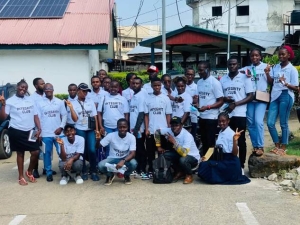
Assessing the Risk of Corruption in Universities and High Schools
By Mark Boahndao
Of all the forms of corruption, bribery and sextortion (favors in exchange for sex) are believed to be the most prevalent in schools. To understand the risks and factors that fuels corruption in universities and high schools, a corruption risk assessment survey has been conducted by students of the very universities and schools.
These activities have been conducted as part of the Youth Engagement Activities. The Corruption Risk Assessment was commissioned amongst others, to ascertain issues and concerns students are faced with on their various campuses. This process was aimed at gathering information and data on the state and level of corruption in the education sector.
Moreover, it helped to identify key problems that tend to hinder students’ learning, access to quality education as well as faculty-to-student relationship and student-to-student relationship.
The key objectives of this exercise was to identify issues and challenges students are faced with on their various campuses (schools and universities) and to use the findings to tackle issues identified from the survey and tailor it into our program’s activities for robust interventions.
The survey employed non-probability sampling which is generally considered as convenience sampling approach of obtaining data by using non-random means based on availability, geographical proximity or expert knowledge of individuals in a study.
Participants were largely selected based on accessibility, and were allowed to get involved with practical and feasible data collection processes. This survey approach involved Key Informant Interviews (KII), Focus Group Discussions (FDG) aimed at gauging the perspectives and insights of selected respondents from high schools and universities. The total of twenty-five (25) enumerators were carefully chosen from four universities and high schools. Each enumerator was tasked with conducting interviews with 25 participants.
Consequently, these students gathered at their various campuses to initiate this process and came up with interesting findings. The total number of participants interviewed were three hundred thirty-two (332) constituting 38.8 % male and 41.8% female. They predominantly comprised of students and administrators, including those from high schools and universities.
Nearly after a month of the assessment exercise, students from different universities and a high school represent by the Ford Madden Christian Academy assembled to validate the document at the United Methodist University Campus on Ashmun Street in Monrovia.
Though tense, however, the validation process had many recommendations. For instance, the overall results from the survey conducted on how accessible is the school facilities to Persons with Disability (PWD) indicated that 31% noted that it was inaccessible while 21% said it was accessible. 18% said very accessible while 20% said, they do not know. This signifies that there is need to make school facilities disable friendly and accessible to all persons including disadvantaged people.
Few among the recommendations emanating from the validation calls for strengthening relationships among students, teachers and administrators. For the most part, there should be a cordial learning environment wherein student leaders, teachers and administrators can freely discuss issues, share ideas, information and collaborate. This could help improve trust and enhance two ways communication within the institution.
More importantly, information on all institutional and academic policies, including code of conduct, student’s handbook and other procedures to keep students informed and abrupt. Additionally, copies of these documents should be shared with if not all students, especially during registration, admission, and orientation processes to help students understand and adhere to academic policies more appropriately.
Since 2004, the Center for Transparency and Accountability in Liberia (CENTAL) has been combatting corruption, promoting anti-corruption and transparency efforts as well as good governance principles and integrity building through various programs across Liberia. With the involvement of youth in preaching integrity and anti-corruption messages in universities and high schools through the establishment of integrity clubs, the narratives of youth inclusion in the fight against corruption is being manifested regardless of age, ethnicity, color or religion.
The IClub, also referred to as Youth Engagement Program was established at the state-run University of Liberia in 2018. Serving as a frontier force to reach young people in universities, high school, and communities, it was later expanded to three private universities in 2020 through the Swedish International Development Cooperation (SIDA)’s support. With the aim of training and empowering students to become ambassadors of integrity and agents of change in the respective areas of learning and society, the Integrity Club has stretched its tentacles to seven (7) counties: Nimba, Bong, Rivercess, Grand Bassa, Gbarpolu, and Bomi with Montserrado at the zenith of the activities.
The success for IClub can be primarily alluded to university and school’s administrators and students for playing active roles in improving the quality of educational services and ensuring a corruption-free learning environment.
Considering the trend of corruption and the risk involved in universities and high schools, the strides for ensuring a corruption-free learning environment continues as different activities are being innovatively thought-out.
Supporting Efficient County Councils for Improved Service Delivery -CENTAL Works to Empower 27 County Council Members in Nimba, Grand Bassa and Bong Counties
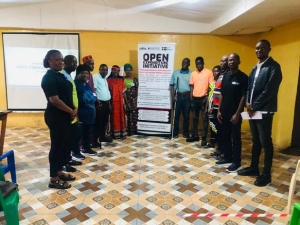
Supporting Efficient County Councils for Improved Service Delivery—CENTAL Works to Empower 27 County Council Members in Nimba, Grand Bassa and Bong Counties
By: Clara K. Mallah
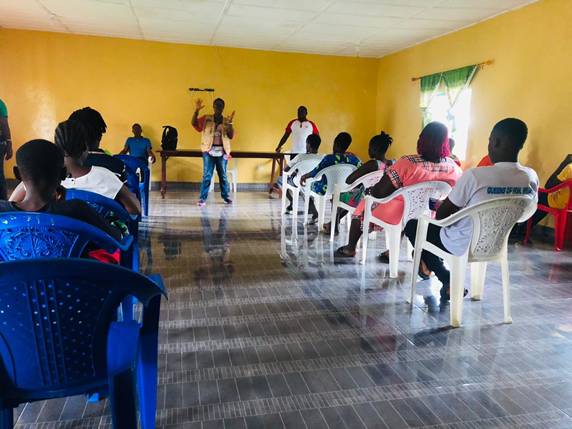
Considered as the last ‘kick of a dying horse’ in a quest to decentralize governance in Liberia, the efficient workings of County Councils spread across the 15 political subdivisions of Liberia, equipped with the requisite support including training on their roles and mandates cannot be overemphasized. Established as an upshot of Chapter 2.2 of the Local Government Act (LGA) of 2018, County Councils are part of efforts aimed at ensuring adequate citizens participation in the governance of their counties irrespective of gender or physical impairment.
According to the (LGA), members of the council include a Women Association representative, two county youth organization (a male and a female) representatives, a representative from the county organization of people living with disabilities; two representatives from the County organization of the Civil Society associations ( a male and a female); two chiefs from the Council of Chiefs of the County and an elder all of who have got the power to impose local taxes, rates, duties, fees and fines within limits prescribed by the Legislature.
But despite the existence of such authority, wielding them has been a hurdle members of the council have struggled to surmount due to several challenges. In addition to financial and logistical constraints, most county council members have capacity challenges.
An assessment of the councils revealed that some members lack basic skills including reading and analyzing critical instruments like county budget, financial reports and others. These are amongst the many reasons why, the Center for Transparency and Accountability in Liberia (CENTAL) has placed premium on capacity building for county councils members.
A series of training sessions have been conducted under the auspices of CENTAL’s Open Expenditure Initiative (OEI), in six counties including Grand Bassa, Nimba, Bong, Rivercess, Bomi, Gbarpolu. The sessions were focused on understanding the local government law, roles and responsibilities of the council members and entrenching transparency and accountability in all the plans and activates of the councils. Throughout the sessions, council’s members were reminded about the significance of an efficient local governance structure that provides effective oversight of the development priorities and projects of the counties for improved service delivery.
Also, the training helped enhanced their knowledge of the national budget process as well as specific allotments made for counties including health and education, the County Social Development (CSDF), and the County Social Funds (CSF).
On the overall, the engagements recorded some fruitful outcomes. Of the funds allotted in the National Budget, some counties have so far received their full allotment, while others were still going through the process of receiving theirs.
Most of the Superintendents in the six-project counties, including the County Council Members, Civil Society Organizations (CSOs), Women’ groups and others spoken to during the engagement promised to ensure that funds allotted in the 2024 National Budget will be used for the completion of past projects earmarked during the administration of former President George M. Weah. And new projects will also be undertaken during the 2025 budget period. They named the construction and rehabilitation of bridges, clinics, schools, town halls, as some of the projects to be completed.
Meanwhile, CENTAL’s assessment shows that the perennial challenges of lack of adequate financial resources to fund development projects, human and technical resources constraints, infrastructure, social difficulties, difficulties associated with farm-market roads, and others still persist. Also, the local county officials have placed emphasis on addressing issues of capacity building, resolving political disagreements, diversifying the economy to lessen reliance of the people and counties, improving marketing, and improving infrastructure.
In all this, CENTAL is determined to continue its advocacy and awareness around the National Budget to ensure the national envelope is more effective to meet the demands of the people. Indeed, the national budget must work for all.
Finding Intersections Between Gender and Anti-Corruption
Finding Intersections Between Gender and Anti-Corruption
By: Clara K. Mallah
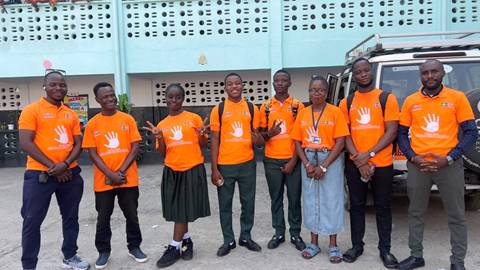 Since 2018, the Center for Transparency and Accountability in Liberia (CENTAL) has made deliberate strides to mainstream gender across its projects and activities. One example of those efforts is the formulation and adaptation of a Gender Policy framework which includes measures to advocate for equality and equal participation in the society through various anti-corruption messages. In furtherance of this policy, we have worked not only to mainstream gender in our programs but to ensure that gender-related activities are also laced with anti-corruption themes. Our engagements in commemoration of the 16-Days of activism is one way in which this is done.
In commemoration of the 2024 edition of the celebration, and to mark the 25th Anniversary of the celebration, CENTAL collaborated with the Ministry of Gender Children and Social Protection (MOGCSP) for a series of activities held from 25 November to 10 December 2024. These activities included a grand march followed by an official indoor program at the Ministerial Complex in Monrovia, under the global theme: “From Pledges to Impact: Account, Resource, and Recommit to End Violence against Women and Girls” and on the national theme, “From Talk to Action! Let’s Join Hands to End Violence Against Women and Girls”. As part of CENTAL’s contribution to the celebration, we availed two editions of our Integrity-Watch radio program to the MOGCSP where they appeared and provided public awareness about the significance of observing the period of activism.
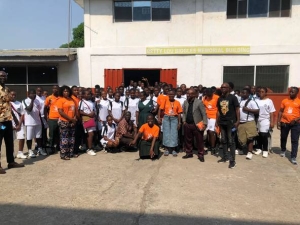
On top of this, a one-day debate with students of the Ford Madden Christian Academy (FMCA) on the importance of the 16 Days of Activism, and the impact of corruption on gender was organized. The event helped enlightened the students on the subject of Sexual Gender-Based Violence (SGBV), gender and corruption, and its effects on people and the society.
During the debate, Augustus Mckeever, Principal of Ford-Madden Christian Academy, welcomed the team to the school and expressed joy that such an event was brought to the students to enlighten them. “This is will go a long way for the students...The fight against corruption and SBGV is an important discussion…CENTAL taking the lead to create awareness among the students is a great initiative,” Mckeever added.
A total of 73 students were present during the event. Of this number, 37 were males and 36 females, excluding the two judges, Solomon Ware, and Amos Williams. The debate session was held between the 11th and 12th graders, and they debated on the topic: Teachers bear the responsibility for bribery in schools. This was followed by a presentation on the 16 Days of Activism, Gender and Corruption, from Clara K. Mallah, CENTAL’s Gender and Inclusion Officer.
The 11th graders, debate team, comprised of three students, argued ‘For’ and 12th graders, debate team, also comprised of three students, argued ‘against’. The debate was epic, educating, impactful, when the students provided essential points in defense of their respective arguments. The both teams provided key information, or facts as to why bribery in school is teachers’ responsibility, and why teachers are not responsible for bribery in schools.
The intersections of the discussion sparked meaningful dialogue among the students. The debate was climaxed with a fascinating learning and sharing session, which provided a platform for the participants and the students (audience) to exchange ideas, answered questions, shared experiences, and put-forth ways in finding solutions to the day-day-problems surrounding corruption and SGBV.
At the end of the debate, the 11th grade team, emerged as winner, due to accurate research, composition and presentation, and received a cash prize of USD50.00, while the 12th Grade Team, came second place, and received a cash prize of USD$25.00. 11th grader, Cornelius D. Horace, 16, led his team to victory, and expressed great appreciation to CENTAL for the event, and expressed ‘joy and pride’ for his team to have emerged as ‘winner’. “This win was based on teamwork. We studied hard, did our research and got prepared for the debate. Anything you want do or achieve, you have to work hard…we are very grateful for the achievement,” Horace said.
For Second place winner, Naomi E. White, who led her team, said, despite taking second place, her team found the debate very educative, and hopes CENTAL continues to create such an opportunity for young people to learn. “Yes! We are happy to have participated, we will get prepared better for future programme. Thanks to CENTAL for the programme…It was educating,” the 16-Year-Old said. Horace and White then encouraged fellow students to keep studying for a better future. “To our fellow classmates, and schoolmates, don’t’ give up! Study, one day, you will be a winner” both said.
The activity encapsulates CENTAL’s commitment to continue the SGBV outreach across its project counties: Bomi, Gbarpolu, Rivercess, Grand Bassa, Nimba, Bong and Montserrado. The celebration was climaxed on December 10, 2024, following a series of engagements all geared towards spreading the word against SGBV through social media pages, Facebook, LinkedIn, radio program ‘Integrity TV’, universities, schools, and communities.
Entrenching Transparency and Accountability in Local Governance...CENTAL Conducts Training For Local Officials in Grand Cape Mount County
Entrenching Transparency and Accountability in Local Governance
—CENTAL Conducts Training For Local Officials in Grand Cape Mount County
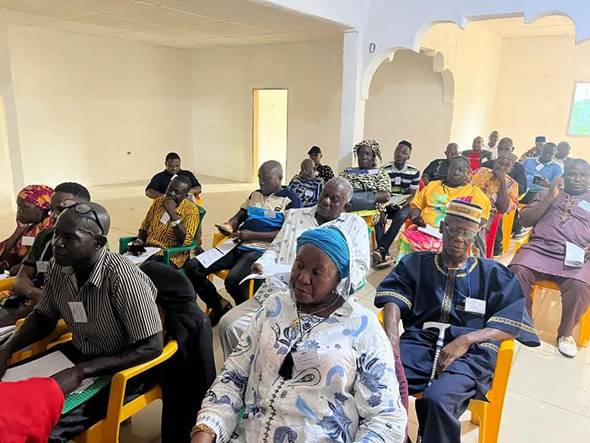
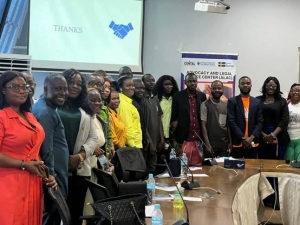
In a society like Liberia where corruption levels are high, it is seldom you find political actors take practical steps to stop corruption from its track. But this seems to be the reality for the new leadership of Grand Cape Mount County. “We have called you here to help train members of our leadership team on anti-corruption strategies and transparency measures”, Isaac Johnson, County Administrative Officer, said at the commencement of the daylong training in Sinje City, Grand Cape Mount County.
The training was one of several already had as part of an ongoing effort by the Center for Transparency and Accountability in Liberia (CENTAL) to entrench the culture of transparency, accountability and integrity across public in institutions in Liberia.
It all happened at the Administrative Building in Sinje City, Friday, July 12, 2024, as an upshot of a formal letter of request made by the county administration led Superintendent Folley Kiatamba, to have its leadership in entirety including lawmakers, County Council members, Commissioners, Chiefs, Superintendent and other officials capacity built in mainstreaming accountability, transparency and good governance in their development priorities by CENTAL.
The request came on the backs of an initial engagement by the new County Finance Officer, Andrew Massalay, who had served CENTAL previously as County Field Officer for Grand Cape Mount County. “Before I assumed this role, I learned a lot about how to live a life of integrity whilst working for CENTAL. This is why I lobbied with my colleagues to have this session to help us gain the people’s trust by promoting transparency and accountability in our work”, Massalay said.
During the session, County Administrator, Isaac Johnson presented highlights of development initiatives of the leadership. CENTAL’s Program Manager Atty. Gerald D. Yeakula drilled participants on the significance of understanding frameworks, prospects, and roles of stakeholders in decentralization and local administration. Gender and Inclusion Officer, Clara K. Mallah spoke on strategies, challenges, benefits and way forward for mainstreaming gender in local administration and public service delivery.
Also, Executive Director, Anderson D. Miamen drilled participants through approaches, benefits and challenges of anti-corruption and good governance in Liberia as well as the role of Civil Society and Community Based Organizations.
Throughout the sessions, major focus was placed on anti-corruption, decentralization, good governance, building trust and integrity, ethical leadership and public service delivery. Amongst many others, participant’s knowledge and understanding of key decentralization, anti-corruption, accountability, integrity and performance related issues to make informed decisions were enhanced.
At the end of the exercise, participants got deepened understanding of anti-corruption, decentralization and other topics. As a result, individual and collective commitments were made to support the fight against corruption. Both county administration and CENTAL bore the cost of the training with CENTAL handling the provision of training module and logistics for staff while the county administration handled venue and cost of feeding for participants. “The efforts applied by the county authorities to have us here is unprecedented”, said Miamen.
CENTAL Welcomes Asset Recovery Taskforce's Latest Indictment of Ex-GoL Officials – But Calls for Greater Efforts to Achieve Positive Outcomes
CENTAL Welcomes Asset Recovery Taskforce's Latest Indictment of Ex-GoL Officials – But Calls for Greater Efforts to Achieve Positive Outcomes
Monrovia, Thursday, April 16, 2026
Ladies and gentlemen of the press, thank you for always attending to our calls. This manifests a commitment to our strategic partnership for good governance and the culture of transparency and accountability in Liberia.
Ladies and gentlemen of the press, on March 4, 2026, through executive order # 161, President Joseph Nuyma Boakai renewed, for the second time, the mandate of the Asset Recovery and Property Retrieval Taskforce (AREPT), established in March 2024 to identify, investigate, and retrieve public assets, financial and other resources illegally possessed by individuals in society, including former and current government officials and their collaborators. During its early days, the Taskforce faced legal and other challenges that somehow undermined its overall effectiveness and efficiency, but has since overcome these challenges and is reasonably expected to satisfactorily deliver for the Liberian people, whose tax dollars fund its operation.
In fulfillment of its mandate, last week, the Chairman of the body, Cllr. Edwin Kla Martin, unveiled a slew of indictments for Madam Mawine Diggs, former Minister of Commerce and Industry (MOCI), and several other officials of the immediate past Coalition for Democratic Change (CDC) government, over allegation of diversion of about US$1.8 millions of funds meant for a rural women empowerment program.
Media reports quoted Cllr. Martin as saying that the charges against the former officials are grounded on credible evidence and due process accorded the accused former Minister Diggs and her alleged accomplices, including Atty. Joseph Y. Howe, former Senior Policy Advisor, Ministry of Commerce; Kebeh Monger, President, National Rural Women Structure of Liberia; Elizabeth Finda Sambulah, President, Liberia Marketing Association; Josephine Handful Greens, former Secretary General, National Rural Women Structure of Liberia; and Kemmoh Borbor, Cashier, Ministry of Commerce and Industry.
The latest move by the Taskforce follows a November 2025 indictment of Madam Nora Finda Bundor, former Chief of Protocol at the Executive Mansion along with 40 others over an alleged corruption scheme involving more than US$6.7 million. It also follows a June 2025 indictment of former Foreign Minister D. Maxwell Saah Kemanya and 15 others over the handling of donated rice from the government of Saudi Arabia. This takes the number of former officials indicted for corruption by the Asset Recovery and Property Retrieval Task Force to over 50.
Ladies and gentlemen of the press, CENTAL reckons that these steps taken by the taskforce to hold former officials accountable for their stewardship is laudable and must be backed by the requisite financial, logistical and moral support from all and sundry. We are happy the entity has received considerable financial support from government, more than some anti-graft institutions that predate its existence, such as the Liberia Extractives Industries Transparency Initiative (LEITI) that received $625,383 United States Dollars at the end of the 2024 budget year, while the Task Force received $670,920 United States Dollars during the same period.
However, CENTAL is deeply concerned about the slow pace of tangible results and impacts of the work of the body, including adjudication of these matters and retrieval of public resources and other assets. We wish to state that the buck does not stop with an individual or group of individuals being investigated and indicted. The fight against corruption becomes more meaningful when outcomes are accrued beyond indictments. When people are accused of corruption and indicted by the court, the state must ensure that the trial is speedy and that justice is dispensed through a verdict—be it guilty or not guilty. This is one way to ensure that the Asset Recovery and Property Retrieval Taskforce (ARPRT) lives up to its true mandate of recovering in-country and oversea-based stolen government assets, including funds and real and personal properties. Liberians have grown tired and disappointed in seeing individuals coming to state power and acquiring enormous ill-gotten financial and non-financial assets and resources, sometimes more than several state institutions combined. This is unacceptable and defeats the true purpose of leadership and democratic governance, where public interest should always be a top priority.
Recommendations:
- The Asset Recovery and Property Retrieval Task Force must do more to show tangible results and impacts, beyond indictments. This includes working with the requisite state agencies and foreign governments and partners to identify and repatriate foreign-based ill-gotten public assets owned by Liberians and their collaborators.
- The Government of Liberia must show greater commitment in establishing the Specialized Anti-corruption Court to help timely adjudicate corruption cases and hold corrupt persons accountable. This will help to timely adjudicate corruption and other related cases, including those being pursued by the Asset Recovery and Property Retrieval Task Force.
- We also call for the removal of the five-year statute of limitation affecting the prosecution of corruption cases, to address the slow pace of the recovery of stolen financial and non-financial assets in Liberia.
- The judiciary must act to prioritize the adjudication of corruption cases, to aid in the process of protecting public resources and holding corruption individuals, groups and institutions fully accountable, to the fullest extent possible, as a strong deterrent mechanism.
- Finally, we call on the Liberian government to adequate finance public integrity institutions, including LACC, GAC, PPCC, The Asset Recovery Task Force and others playing important roles in safeguarding public resources and assets. There can be no successful fight against corruption and other abuses if institutions leading the process are not adequately supported and enjoy full financial, moral and other support from state and non-state actors as well as members of the public.
Thank you.
Signed:
Anderson Miamen,
0886818855/0776391481
Tracking Corruption Allegations: A look at the Corruption Case Tracker’s Role in the Fight against Corruption
Tracking Corruption Allegations
A look at the Corruption Case Tracker’s Role in the Fight against Corruption
By: Mark Boahndao
Before now, accessing information about allegations of corruption and their statuses in Liberia would require hours of surfing the internet. The need to have readily available, independent, up-to-date, and consolidated details about various corruption cases became blatant. The drawback presented by this dearth of data is that impunity flourished as persons accused of corruption moved around freely without actions taken against them. With accusations in Liberia rising and falling like ‘Coca-Cola’ bubbles, it became difficult for civil society and citizens to persist in demanding accountability for past allegations of corruption.
Also, LACC and other agencies or departments could hardly be monitored and engaged regarding the slow pace of investigations or outcome of cases since information on particular cases eluded many.
To support ongoing national efforts to address this pressing issue, CENTAL developed the Corruption Case Tracker (CCT), under her National Integrity Building and Anti-Corruption Program, funded by the Swedish International Development Cooperation Agency (SIDA). The Corruption Case Tracker is a groundbreaking online platform designed to enhance transparency and accountability in the handling of corruption cases, in part through making information about their nature, scope, location, timeline, and other details available and accessible to the public.
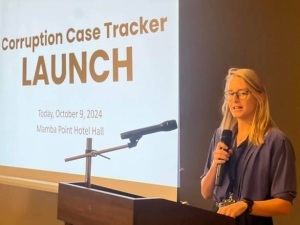
Since its official launch on October 9, 2024 by Nikolina Stalhand, Program Officer at the Embassy of Sweden in Liberia, the Tracker has endeavored to address information gap about corruption by offering a transparent and accessible platform that provides real-time updates on corruption cases, ensuring accountability from relevant authorities and empowering Liberians, the media, civil society and other stakeholders to monitor and meaningfully engage with the process.
“As citizens gain easy access to information about corruption cases, they become more engaged in the process of justice. They can monitor the progress of cases that matter to them and advocate for timely resolutions”, said, Anderson D. Miamen, CENTAL’s Executive Director at the formal launch of the tracker in Monrovia.
The tracker, amongst many others, seeks to enhance transparency and foster increased engagement by providing the public and stakeholders with real-time access to case details and updates. By doing so, citizens are expected to increase demand for accountability by holding government agencies responsible for investigating and prosecuting corruption cases. These efforts would lead to a strengthened collaboration among citizens, media, civil society, government agencies, and international organizations in addressing corruption in Liberia.
As timely investigations and resolutions of corruption cases are essential for maintaining public trust and ensuring that justice is served, the tracker is acting as a catalyst by highlighting cases that have been pending for extended periods and putting pressure on relevant authorities to expedite their investigation and conclusion.
By shining a light on delayed cases, the Tracker provides a platform where citizens are empowered to demand accountability from their leaders. They can see which cases have stagnated and question why. This public scrutiny would incentivize authorities to act more swiftly and efficiently, knowing that their actions are under constant watch by the public. In this way, the Tracker fosters a sense of urgency in addressing corruption issues, ultimately leading to a more transparent and accountable society.
With just a click on the link or a search in Google: https://cct.cental.org.lr, anyone can have their fill and experience this remarkable technological and web-based platform.
Moreover, the Tracker's user-friendly interface ensures that even those with limited technological literacy can access and understand the information. With just a few clicks, users can find detailed information about ongoing and concluded corruption cases, including the names of individuals involved, the nature of the allegations, and the current status of each case. This accessibility not only fosters a sense of empowerment among citizens but also encourages them to participate in the fight against corruption
Sweden was Never Wrong To Trust Us
Sweden was Never Wrong To Trust Us
There’s no denying that the civil war (1989-2003) affected the viability of state and non-state institutions. Civil society institutions emerging after the conflict were confronted by a poor economy, bad governance, and a deflated donor landscape.
It was this environment that CENTAL encountered and endured since its establishment in 2004. For the forebearers, a firm conviction that Liberia can be corruption-free is what was needed to keep the torch burning. Thus, limited availability of resources and threats and opposition from government could not dissuade them from pursuing an objective in the public interest. Lack of salaries for staff, inadequate staffing, limited office space, and inadequate logistics and funding for program interventions were amongst challenges that beset the organization.
In the years that followed, CENTAL began to earn the trust of different donors, including: the Open Society Initiative West Africa (OSIWA), United States Agency for International Development (USAID), United Nations Development Programme (UNDP), and the German International Cooperation Society (GIZ). With resources at its disposal, the organization began to rollout interventions in sectors such as natural resources and education while remaining robust in its advocacy for anti-corruption reforms.
While earlier partnerships with donors propelled CENTAL to great heights of impact, these fell short of addressing capacity and sustainability challenges of the organization. Attention was mostly placed on project activities and related outcomes with very little consideration on institutional capacity or the life of the organization beyond a given project period. For instance, a proje5ct lasted for a year on average and, in many cases, did not undertake to pay other staff essential to the project and the smooth running of the organization. Donors preferred vehicle rental to vehicle purchase, even in cases were amount for rental could clearly purchase a vehicle. Administrative costs indirectly related to the projects could hardly come by to support institutional sustainability.
By 2017, however, CENTAL would become exposed to what would later be revealed as a ‘life-changing’ encounter. The Embassy of Sweden approached CENTAL over the possibility of holding activities in commemoration of International Anti-Corruption Day (IACD). Without hesitation and with support from the Embassy of Sweden, CENTAL organized activities celebrating IACD for three successive years. Then in August 2020, a partnership agreement was finally executed between CENTAL and the Embassy of Sweden with focus not only on the fight against corruption but enhancing the viability and contribution to the sustainability of CENTAL.
Since 2020, the Center for Transparency and Accountability in Liberia (CENTAL) and the government and people of Sweden through the Swedish International Development Cooperation Agency (SIDA) have enjoyed a healthy and rewarding marriage which has significantly addressed challenges facing the organization.
The initial 15 million SEK (US$1.8 million) agreement was indeed pivotal in supporting the implementation of a National Integrity Building and Anti-Corruption Program (NIBA) with objectives including Increasing Citizens’ Access to Relevant Information and Mechanisms, increasing advocacy efforts and CENTAL’s capacity to independently monitor and advocate Against Corruption in Liberia by December 2023.
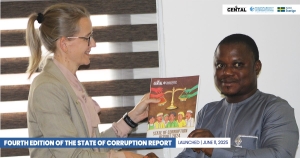
As the tenure of the agreement elapsed in December 2023, discussions for the commencement of a second phase of the program were already well advanced. In February 2024, CENTAL represented by Executive Director, Anderson D. Miamen and Swedish Ambassador to Liberia Urban Sjostrom put pen to paper to consummate the agreement for a new three years program January 2024 to December 2026. The support from Sweden represents the biggest single donor support so far to CENTAL’s quest to tackle the corruption scourge since its founding in 2004, and arguably, the largest donor support to a local Civil Society Organization (CSO).
On one hand, it has enabled us to sustain partnerships with community-based organizations through a Joint Civil Society Anti-Corruption Initiative (JOSCAI) which has rallied citizens to petition members of the Legislature for the passage and amendments of anti-corruption bills. On the other hand, our Advocacy and Legal Advice Center (ALAC), has been positioned as a foremost platform for citizens to report and seek redress to corruption and get free legal advice for other pertinent issues affecting them.
Also, it has given impetus to our efforts to increase transparency and inclusivity among citizens and local county officials in the governance and management of County Social Development Funds (CSDF) through our Open Expenditure Initiative (OEI).
In a nutshell, the support from Sweden has not only strengthened the capacity of CENTAL in support of its vision of a corruption-free Liberia but it has positioned the organization as one of the leading voices in promoting accountability and integrity in Liberia.
This demonstration of trust and confidence on the part of Sweden has further opened the doors for much more support from other donors many of whom have come knocking. Because of the confidence reposed by Sweden, there has been an avalanche of new support from almost every nook and cranny of the donor community including UN Women, UNDP, IRISH Aid, and USAID amongst others.
This support from Sweden coupled with the results achieved so far in our quest to build a Liberia where good governance, a culture of accountability, and transparency remain the hallmark of governance point to one conclusion, ‘Sweden Was Never Wrong to Trust’.
To the government and people of Sweden, we raise our heads; lift up our right hand to a salute for the continuous support to not just the works of CENTAL but the tons of other local Civil Society Organizations (CSOs) in Liberia you are supporting to stay engaged and afloat.
Harvesting the Outcomes ...CENTAL’s NIBA Program Phase Two Scores Success in Ending the Corruption Conundrum

Harvesting the Outcomes
CENTAL’s NIBA Program Phase Two Scores Success in Ending the Corruption Conundrum
By: Edward W. Blamo and Gerald D. Yeakula
Liberia’s quest to end corruption is gaining steam, not just from the increased level of awareness about the existence of the menace but the wave of innovative approaches which are contributing to curbing the corruption scourge. And without any doubt, the Center for Transparency and Accountability in Liberia (CENTAL) has contributed and continues to play its part in changing the narrative. Through its National Integrity Building and Anti-corruption Program (NIBA) funded by the government and people of Sweden, a horde of approaches which have already been implemented are yielding positive outcomes.
 These initiatives include the Advocacy and Legal Advice Center (ALAC), an independent platform that allows citizens to report corruption; National Integrity Forum (NIF), a collaborative effort with government anti-graft institutions that promotes transparency in service delivery; Joint Civil Society and Anti-corruption Initiative, (JOSCAI), a conglomeration of community-based organizations working to tackle corruption; Youth Engagement Program - Integrity Club (IClub), an initiative that works with students to become anti-corruption ambassadors; Open Expenditure Initiative (OEI), a program that promotes transparency and inclusivity in the expenditure of county social development fund;, media and visibility, amongst others.
Several positive outcomes have already been achieved so far. For example, an allegation of corruption reported to our Advocacy and Legal Advice Center (ALAC) in 2022 has been adjudicated and a guilty verdict rendered in 2024 by Criminal Court “C” Judge Kennedy Peabody. The matter was centered around the mismanagement of funds in the tone of $96, 875.00 involving several former and current officials of the Planned Parenthood Association of Liberia (PPAL) including Madam Miatta K.K. Cojolo, former Executive Director, Ernree Bee Neeplo, former Program Manager, Ernest Vobah, former Finance and Administrative Manager, William Gibson, former Human Resource Manager, and Peter Collins, Board Vice Chairman.
These experiences have spurred us to work to build capacity of those public offices with a view to getting them to comply with relevant anti-corruption laws. “The training on anti-corruption laws has been rewarding for us especially so that we are new council”, said J. Aaron Sackie Fenlah, Chairman, Bong County Council of the capacity building session organized for members as part of CENTAL’s Open Expenditure Initiative (OEI). Another leg of capacity-building support was provided to local authorities including the Superintendent and other officials of Grand Cape Mount County on corruption prevention strategies, the management team of the Liberia Water and Sewer Cooperation (LWSC), the leadership of the Liberia National Police (LNP), amongst others.
On the other hand, the sum of US$2000 of the Gbarpolu County Disabled Community Development fund which was said to have been mismanagement by Sunny M. Winnie, former chair of the disabled community was ordered refunded. This follows CENTAL’s County Field Officer consistent highlight of the incident.
Also, the program has worked to entrench the culture of transparency and accountability within public service delivery through the conduct of a varied of anti-corruption and capacity building trainings for public sector officials, media, and other actors.
From honing the skills of senior managers of the Liberia Electricity Corporation (LEC) in the deployment of best practices to curb corruption to the training of County council members on accountability strategies for improved service delivery, the different capacity-building supports have strengthened public institutions' capacities to provide improved services.
Due to the significant role, the media plays in holding public officials to account, separate training sessions were conducted for journalists assigned at the national legislature, the Executive Mansion, and the Ministry of Information Cultural Affairs and Tourism (MICAT), including those regularly honoring CENTAL’s press conference invitations, on anti-corruption laws and accountability strategies.
One groundbreaking outcome of the program so far is the launch of the Corruption Case Tracker, an online repository of everything corruption including allegations, cases, and their statuses amongst others. The tracker, a feature of CENTAL’s website is being achieved through a close collaboration with stakeholders including the Liberia Anti-Corruption Commission (LACC), General Auditing Commission (GAC), and others.
As an army of young people against corruption, the Integrity Club Outreach Program (ICLUB) is active in four universities –United Methodist University (UMU), University of Liberia (UL), Stella Maries Polytechnic University (SMPU), and the African Methodist Episcopal University (AMEU) has accelerated outreach activities with students at the forefront. Also, members of the ICLUB have conducted a ‘corruption risk assessment’ initiative to examine the risks and danger of corruption within schools as part of an effort to help curb the pervasive nature of the menace. Augustina Appleton, Vice President of the Integrity club chapter, University of Liberia who joined in 2021 said the education gained from involvement with IClub activities has led to an improved engagement with the local community leadership. “Through the IClub, I am currently serving as the secretary for my community. Additionally, my community has asked me to run for public relations officer position during the next election. This is all happening due to my involvement with the integrity club.”
These activities are contributing to the overall vision to ensure that promoting accountability and increasing citizens' demand for accountability are placed at the front and center of national discourses in Liberia.
Despite these efforts, fighting corruption in Liberia still remains somehow cumbersome. When one is indicted for any act of corruption and the matter is not finalized within five years, he or she is deemed free of all charges and could parade the streets of Monrovia with a head lifted high and chest popped up- thanks to a statute of limitation clause in the panel law of Liberia. This scenario is just one of several legal and political roadblocks that need to be cleared to end the pervasive nature of corruption which has wreaked havoc on the livelihoods of citizens.

Already, successive global anti-corruption ratings have been dismal. For example, the 2023 Corruption Perception Index (CPI) released by Transparency International gives a 25 out of 100 score, a huge decline from 32 scored in 2018. All of these have signaled the need for concerted efforts from diverse actors including government, civil society, media, and citizens, to change course.
LOCATION
22nd Street, Sinkor
Tubman Boulevard
Monrovia, Liberia
Phone: +231 88 681 8855
Email: info@cental.org.lr
Website: www.cental.org.lr
SUBSCRIBE
Get updates and important events straight to your inbox. We don't spam