
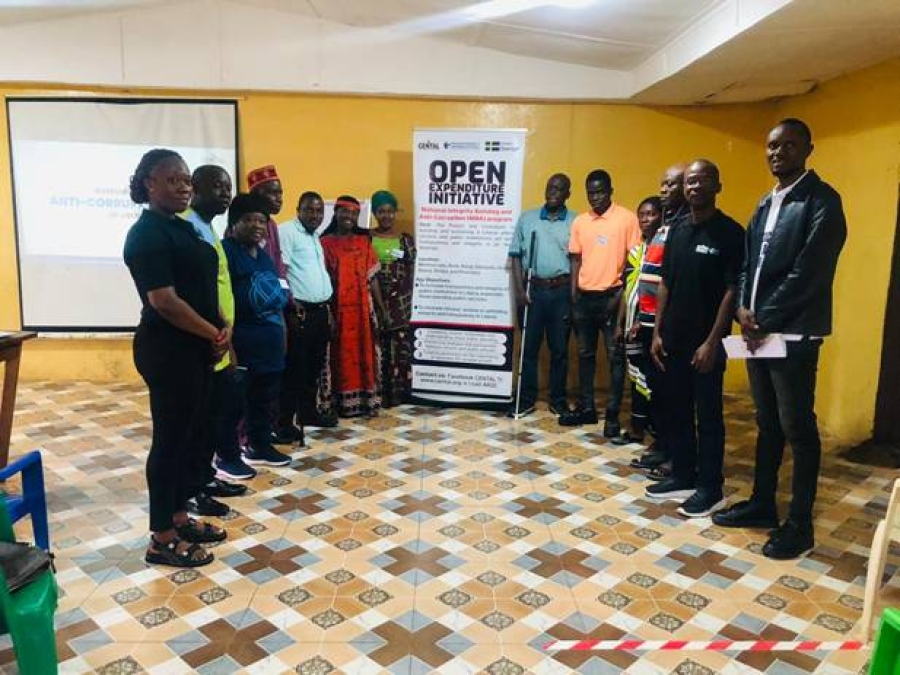
Supporting Efficient County Councils for Improved Service Delivery—CENTAL Works to Empower 27 County Council Members in Nimba, Grand Bassa and Bong Counties
By: Clara K. Mallah
Considered as the last ‘kick of a dying horse’ in a quest to decentralize governance in Liberia, the efficient workings of County Councils spread across the 15 political subdivisions of Liberia, equipped with the requisite support including training on their roles and mandates cannot be overemphasized. Established as an upshot of Chapter 2.2 of the Local Government Act (LGA) of 2018, County Councils are part of efforts aimed at ensuring adequate citizens participation in the governance of their counties irrespective of gender or physical impairment.
According to the (LGA), members of the council include a Women Association representative, two county youth organization (a male and a female) representatives, a representative from the county organization of people living with disabilities; two representatives from the County organization of the Civil Society associations ( a male and a female); two chiefs from the Council of Chiefs of the County and an elder all of who have got the power to impose local taxes, rates, duties, fees and fines within limits prescribed by the Legislature.
But despite the existence of such authority, wielding them has been a hurdle members of the council have struggled to surmount due to several challenges. In addition to financial and logistical constraints, most county council members have capacity challenges.
An assessment of the councils revealed that some members lack basic skills including reading and analyzing critical instruments like county budget, financial reports and others. These are amongst the many reasons why, the Center for Transparency and Accountability in Liberia (CENTAL) has placed premium on capacity building for county councils members.
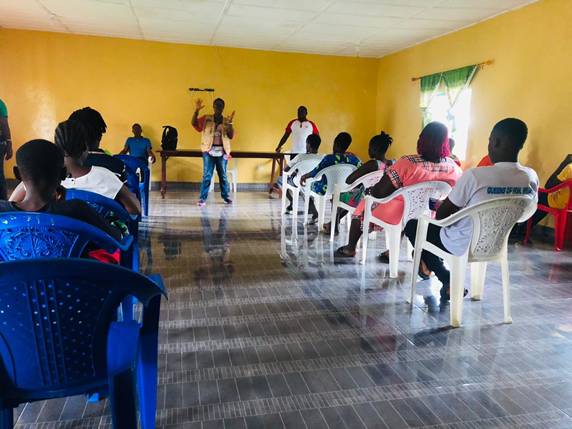
A series of training sessions have been conducted under the auspices of CENTAL’s Open Expenditure Initiative (OEI), in six counties including Grand Bassa, Nimba, Bong, Rivercess, Bomi, Gbarpolu. The sessions were focused on understanding the local government law, roles and responsibilities of the council members and entrenching transparency and accountability in all the plans and activates of the councils. Throughout the sessions, council’s members were reminded about the significance of an efficient local governance structure that provides effective oversight of the development priorities and projects of the counties for improved service delivery.
Also, the training helped enhanced their knowledge of the national budget process as well as specific allotments made for counties including health and education, the County Social Development (CSDF), and the County Social Funds (CSF).
On the overall, the engagements recorded some fruitful outcomes. Of the funds allotted in the National Budget, some counties have so far received their full allotment, while others were still going through the process of receiving theirs.
Most of the Superintendents in the six-project counties, including the County Council Members, Civil Society Organizations (CSOs), Women’ groups and others spoken to during the engagement promised to ensure that funds allotted in the 2024 National Budget will be used for the completion of past projects earmarked during the administration of former President George M. Weah. And new projects will also be undertaken during the 2025 budget period. They named the construction and rehabilitation of bridges, clinics, schools, town halls, as some of the projects to be completed.
Meanwhile, CENTAL’s assessment shows that the perennial challenges of lack of adequate financial resources to fund development projects, human and technical resources constraints, infrastructure, social difficulties, difficulties associated with farm-market roads, and others still persist. Also, the local county officials have placed emphasis on addressing issues of capacity building, resolving political disagreements, diversifying the economy to lessen reliance of the people and counties, improving marketing, and improving infrastructure.
In all this, CENTAL is determined to continue its advocacy and awareness around the National Budget to ensure the national envelope is more effective to meet the demands of the people. Indeed, the national budget must work for all.